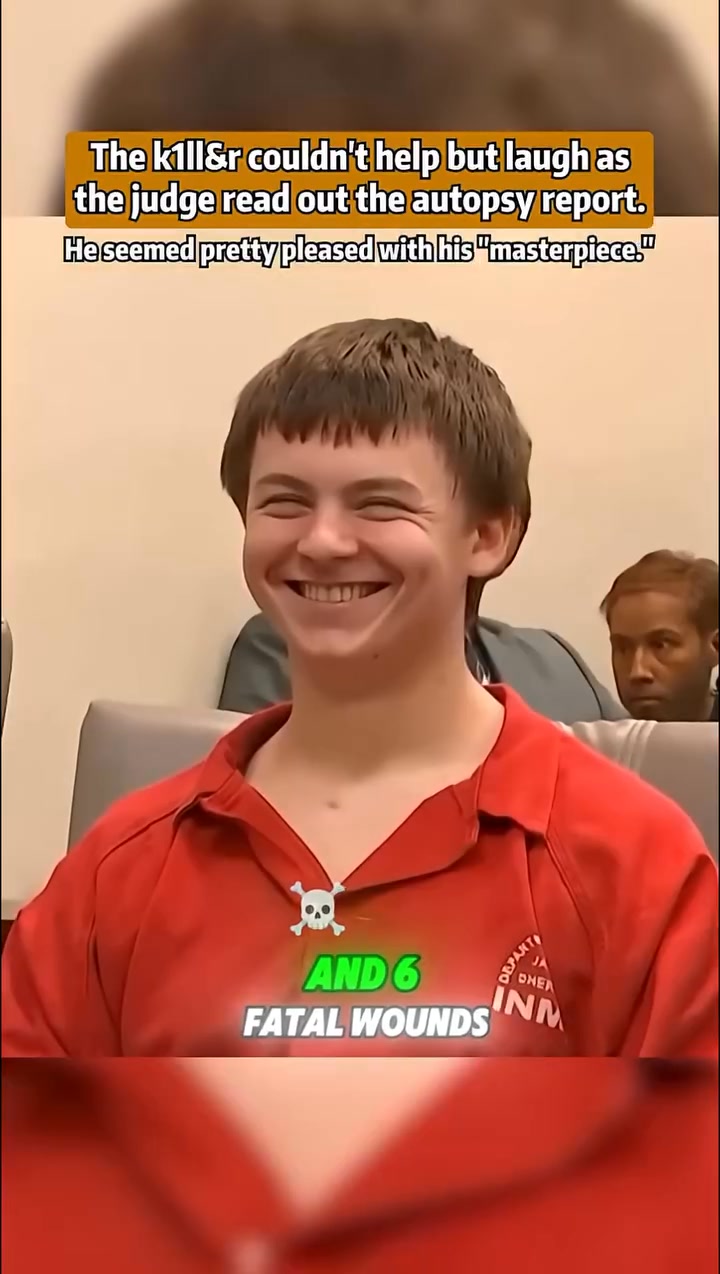
A Florida courtroom became the setting for one of the most disturbing displays of courtroom behavior in recent memory when a teenager convicted of first-degree m.u.r.d.e.r appeared visibly at ease as the details of his crime were read aloud before a judge, jurors, and the victim’s grieving family.
The case centered on the May 9, 2021, d.e.a.t.h of 13-year-old Tristan Bailey, a cheerleader from St. Johns, Florida. In the early hours of Mother’s Day, Bailey entered a wooded area near her community alongside the defendant, then 14 years old. By 3:30 a.m., the defendant was observed running home alone, appearing panicked and carrying his shoes.

The following day, Bailey’s mother contacted authorities to report her daughter missing. A community volunteer searching the surrounding area later discovered the teenager’s body near a retention pond. The scene, according to those present, was described as extraordinarily disturbing.
The medical examiner’s findings presented to the court detailed 114 total s.t.a.b wounds, including 49 defensive wounds, 35 injuries to the head and neck, 29 to the back and shoulder, and 6 wounds classified as fatal. The defensive wound count indicated that the victim had been fully conscious and actively resisting her attacker throughout the assault.
During the trial proceedings, the defendant’s demeanor drew significant attention from observers, legal analysts, and the public alike. Court footage showed the defendant casually rocking back and forth in his chair throughout the proceedings, appearing relaxed and largely unaffected by the gravity of the charges against him.
Investigators also noted that in the hours following the incident, the defendant had recorded and posted a video of himself from inside a police vehicle during questioning, narrating the situation in a dismissive and cavalier tone. The footage, which circulated widely on social media, became a significant point of focus during the case.
Because of his age at the time of the offense, the defendant was legally ineligible for the d.e.a.t.h penalty under Florida law, a fact that legal observers noted appeared to contribute to his composure throughout the proceedings. He faced a sentencing range of 40 years to life in prison.
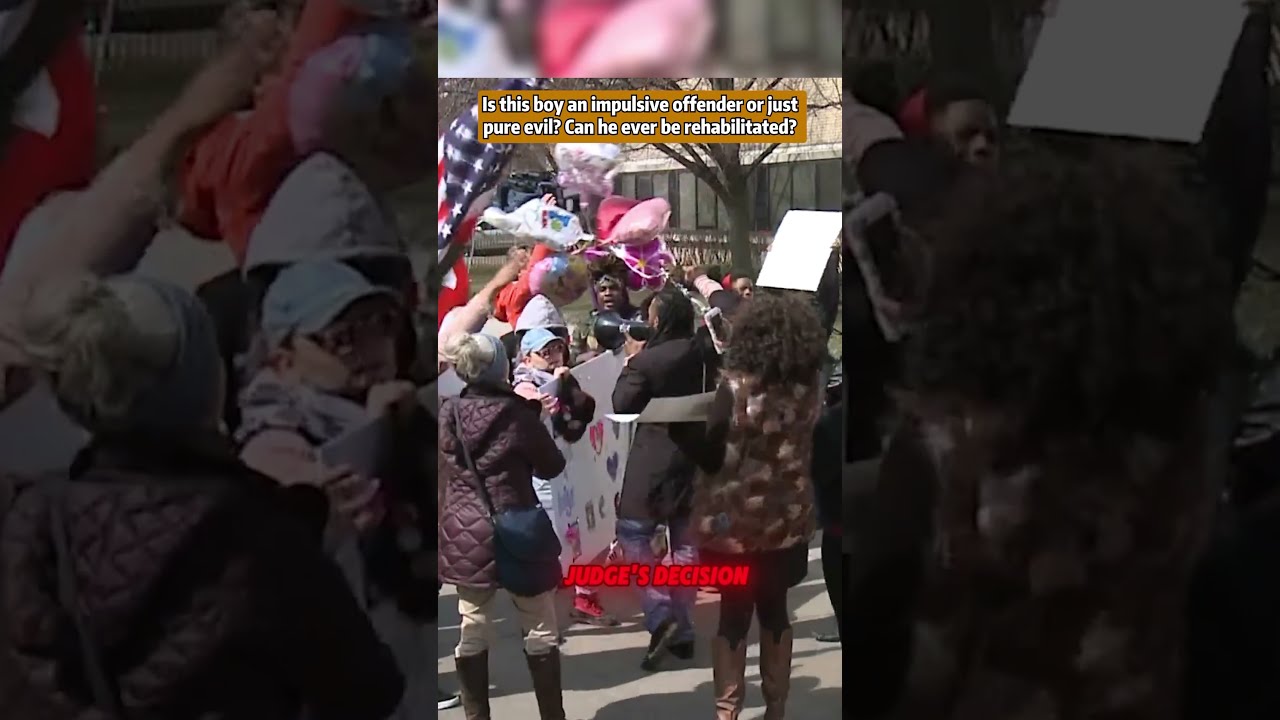
As the victim’s family delivered their impact statements to the court, witnesses reported that the defendant began to smile. The reaction was observed by both the judge and the jury, who were present for the full duration of the statements and sentencing phase.
The court determined that the defendant had entered a guilty plea to the charge of premeditated first-degree m.u.r.d.e.r. The judge, in delivering the sentence, formally adjudicated him guilty of the premeditated first-degree m.u.r.d.e.r of Tristan Bailey and sentenced him to life in prison without the possibility of parole.
According to accounts of the proceeding, the smile that had been visible on the defendant’s face during the family statements disappeared immediately as the sentence was formally pronounced. The verdict was unanimous, reflecting the jury’s assessment of the defendant’s complete absence of remorse throughout the trial.
The case drew widespread public attention not only for the severity of the crime but for the defendant’s documented behavior both at the time of the incident and throughout the legal process.
Legal analysts have pointed to the case as a prominent example of the legal and ethical debates surrounding juvenile sentencing in cases of extreme violence.
For Bailey’s family, the life sentence represented a measure of legal closure following years of legal proceedings. Florida courts do not provide for parole eligibility in first-degree m.u.r.d.e.r convictions carrying a life sentence, meaning the defendant will remain incarcerated without the prospect of early release.
Watch the full ruling below.