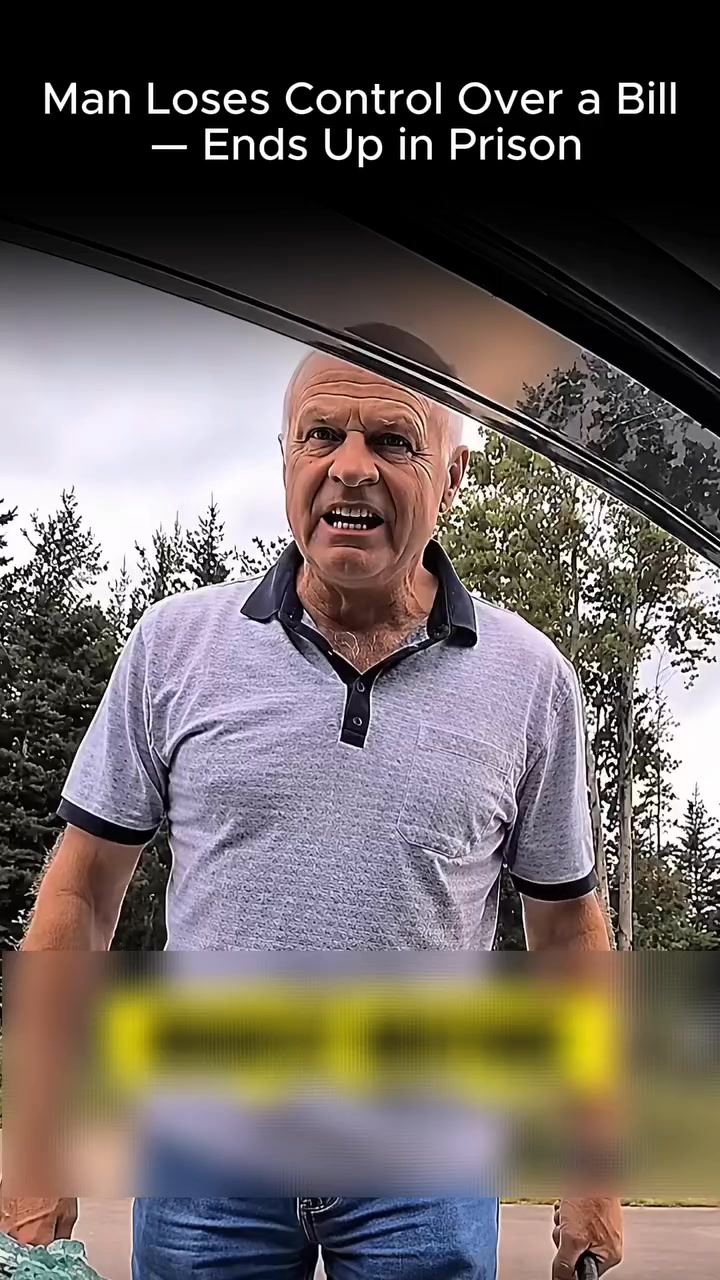
In a quiet neighborhood, a routine business transaction over landscaping work spiraled into a violent confrontation that would cost an elderly man his freedom. What started as a disagreement over a bill ended with shattered glass, threats, and a swift arrest captured on video. The incident, which unfolded in plain view of the victim’s camera, became a stark example of how quickly anger can destroy lives and lead to serious legal consequences.
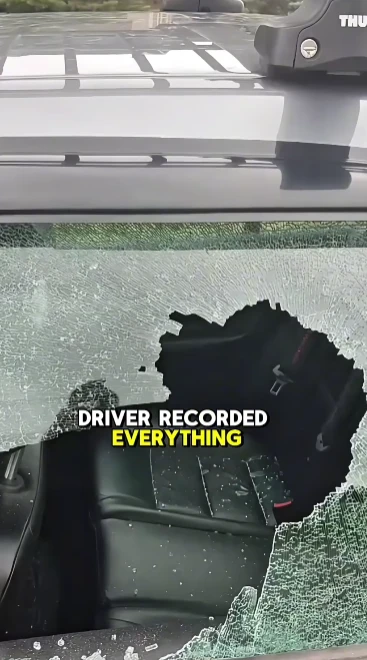
The dispute began when the elderly man, frustrated over payment for landscaping services performed by his son, confronted the customer. Emotions escalated rapidly. Instead of resolving the matter calmly or through proper channels, the man approached the driver’s vehicle and smashed the car window with significant force. Witnesses and the victim’s own recording captured the entire sequence, including the man’s aggressive demands and threats.

Video footage shows the man clearly agitated, leaning toward the vehicle and striking the window while shouting. He warned the driver to leave immediately, using language that suggested he was armed and willing to use force. “You’re going to be in a [expletive] hospital if you don’t get out of here,” he reportedly yelled. When the driver responded, the man doubled down, claiming he had a weapon and was prepared to use it. These statements, combined with the physical damage to the vehicle, transformed a financial disagreement into a criminal matter involving property damage and threats of violence.
The driver remained inside the vehicle, recording the confrontation for his own safety. This decision proved crucial. The clear video evidence was immediately shared with police, providing an objective record of the events. Multiple angles and witness accounts further strengthened the case against the elderly man. Within just two hours of the incident, officers located and arrested him. The speed of the arrest highlighted both the effectiveness of bystander documentation and the seriousness with which authorities treat road-side altercations that escalate into violence.
In the days and weeks that followed, the case moved through the legal system. Prosecutors presented the video footage, damage estimates for the broken window, and statements from the victim describing the fear he experienced while trapped inside his vehicle. The elderly man’s threats, combined with the physical act of smashing the window, left little room for ambiguity about his intent. Courts view such behavior as a direct threat to public safety, especially when it occurs on public roads where others could easily become involved.
During court proceedings, the man had the opportunity to explain his actions. Like many individuals caught in moments of intense anger, he likely expressed some level of regret or attempted to justify his behavior as a reaction to perceived unfairness over the bill. However, the objective evidence proved overwhelming. Video does not lie, and in this case, it captured not only the physical act but also the man’s threatening words and aggressive posture.
The judge presiding over the matter took a firm stance. After reviewing the evidence, the court sentenced the elderly man to 13 months in prison. The sentence reflected the seriousness of the offense — property damage combined with threats that could have escalated into far greater harm. Many legal observers noted that the man’s age did not shield him from accountability. Courts increasingly emphasize that violent or threatening behavior carries consequences regardless of the perpetrator’s age or personal circumstances.
Public reaction to the case has been strong and largely unsympathetic toward the man. Comments following the video frequently point out that his actions could have easily resulted in much worse outcomes. Had the driver been armed, the situation might have ended in tragedy. Others expressed concern about the man’s apparent lack of impulse control, suggesting that someone willing to smash a window and threaten violence over a bill dispute poses a broader risk to the community.
The incident raises important questions about conflict resolution in everyday business transactions. Landscaping and home service work often involve payments that can lead to disagreements. Responsible parties typically resolve such issues through communication, written contracts, small claims court, or professional mediation. Resorting to physical violence or threats represents a complete breakdown of reasonable behavior and almost always leads to criminal charges.
For the victim, the event was more than a damaged window. Being confronted aggressively while seated in one’s own vehicle creates immediate feelings of vulnerability and fear. Many drivers who experience similar incidents report lasting anxiety about driving or interacting with strangers on the road. The $20,000 fine imposed in related cases (or restitution orders) helps address financial harm, but the psychological impact often lingers much longer.
This case also highlights the power of video evidence in modern justice. Dashboard cameras, smartphones, and bystander recordings have transformed how law enforcement and courts handle disputes. What once might have come down to conflicting verbal accounts now frequently includes clear visual proof. This development generally leads to faster resolutions and higher rates of accountability, as perpetrators find it difficult to dispute their own recorded actions.
The elderly man’s quick arrest — just two hours after the incident — demonstrates improved coordination between citizens and police. When witnesses act responsibly by documenting and reporting crimes, authorities can respond more effectively. In this instance, the combination of video evidence and prompt reporting prevented the man from avoiding consequences and potentially repeating similar behavior.
Broader societal discussions following the video often focus on anger management and personal responsibility. Roadside or driveway confrontations have become more visible in the social media age, with many expressing concern about rising levels of aggression in everyday interactions. Stress, financial pressures, and a sense of entitlement can combine to push individuals toward actions they later regret. Courts play a crucial role in reinforcing boundaries and encouraging better emotional regulation.
For the man now serving his 13-month sentence, the consequences extend beyond time in prison. A criminal conviction for this type of offense can affect future employment, housing opportunities, and personal relationships. At his age, the disruption to daily life and the public nature of the video may create additional long-term challenges. Many similar offenders later reflect on how a single moment of lost control altered the course of their lives.
The victim, meanwhile, can move forward knowing that the justice system responded to his documentation and report. The broken window can be repaired, but the reassurance that aggressive behavior carries real consequences provides a measure of safety for him and others in the community.
This incident serves as a powerful cautionary tale for anyone tempted to let frustration boil over into physical action. Whether over a landscaping bill, traffic dispute, or any other everyday conflict, the risks far outweigh any temporary sense of satisfaction from confrontation. Legal systems exist to resolve disagreements peacefully, and bypassing them through violence almost always leads to worse outcomes.
Community safety depends on individuals exercising self-control even when they feel wronged. The elderly man’s story illustrates how quickly a financial disagreement can escalate into criminal charges when emotions override reason. His 13-month prison sentence stands as a reminder that actions have consequences, and modern technology makes it increasingly difficult to escape accountability.
As more videos of similar confrontations circulate online, they contribute to greater public awareness about de-escalation techniques and the importance of walking away from potential conflicts. Simple choices — breathing deeply, documenting issues for later resolution, or involving authorities rather than taking matters into one’s own hands — can prevent tragedies and legal nightmares.
The landscaping bill dispute that led to this case may never be fully resolved in the minds of those involved, but the legal outcome delivered clear justice. The man who chose violence over dialogue now faces the direct results of that choice. For the wider public, his story offers valuable lessons about patience, respect, and the high cost of losing control in public spaces.
Courtroom and incident videos like this one continue to educate viewers about real-world consequences. They demonstrate that law enforcement takes threats and property damage seriously, especially when clear evidence exists. For potential offenders, they serve as warnings. For law-abiding citizens, they provide reassurance that aggressive behavior will not be tolerated.
In the end, this case underscores a simple truth: no bill or disagreement is worth risking your freedom and future. The elderly man’s shattered window moment cost him far more than any landscaping payment ever could. His experience serves as a sobering example for anyone who might consider letting anger dictate their actions in moments of frustration.