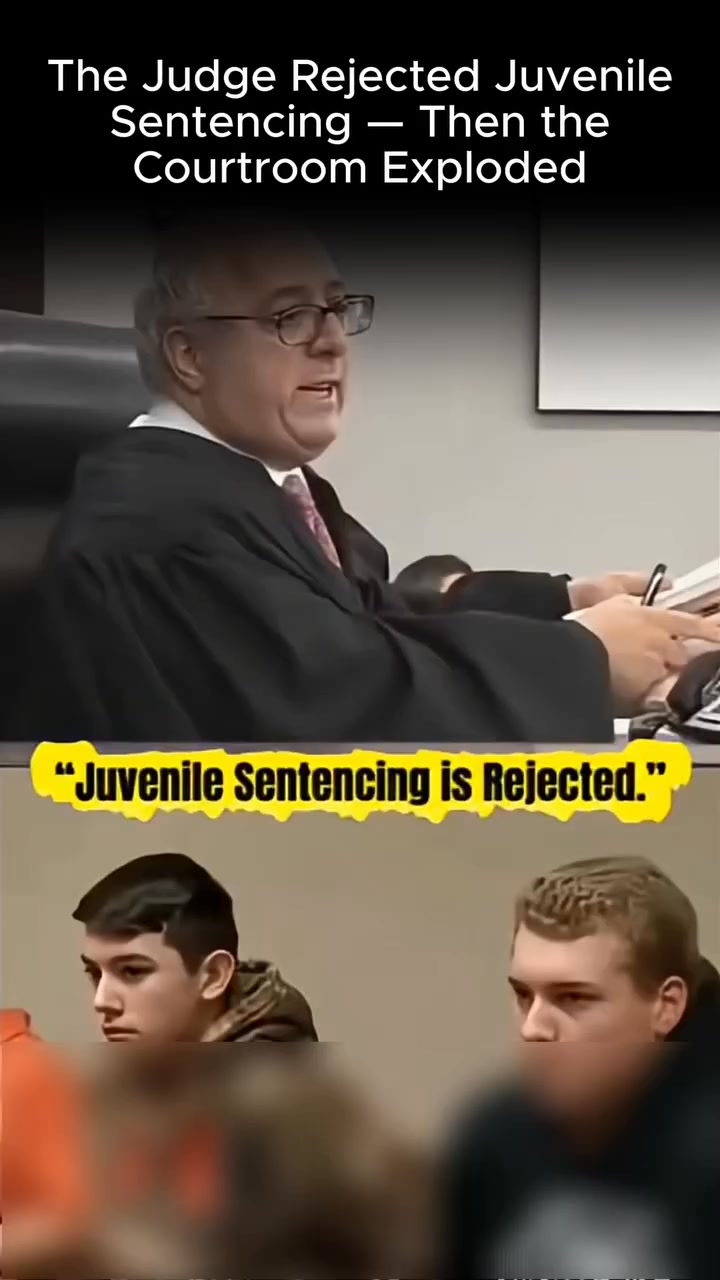
In a packed Florida courtroom, tension filled the air as a judge delivered a ruling that would send shockwaves through the room and spark intense public debate. The case involved five teenagers, aged 15 to 17, accused of a deadly act: throwing a six-pound rock from a highway overpass that crashed through the windshield of a moving car, killing 32-year-old Kenneth White instantly. White, a father of four, was struck in the face and chest, leaving his family devastated and the community demanding answers.
The defense had strongly argued that the teens should be treated as juveniles, citing their ages and potential for rehabilitation. Prosecutors, however, pushed for adult charges, emphasizing the deliberate and deadly nature of the act.

Watch Full video at the end.
When the judge announced that the proposal for juvenile sentencing was rejected, the courtroom erupted. Applause broke out from the victim’s family and supporters, while others reacted with visible shock. The decision meant the case would proceed in adult court, exposing the teenagers to the possibility of life imprisonment.
This ruling highlighted one of the most difficult questions in the justice system: when should young offenders face adult consequences for actions with adult-level outcomes?
Watch Full video at the end.
According to prosecutors, the teens knowingly threw the large stone — nearly eight inches long and weighing six pounds — from the overpass onto traffic below. The rock smashed through the windshield with devastating force, killing Kenneth White on impact. The randomness of the attack, combined with its lethal result, made it particularly shocking to the community.
White was simply driving home when tragedy struck without warning. His death left four children without a father and a wife without her husband, turning an ordinary day into a nightmare for an entire family.
Watch Full video at the end.
The defense team presented arguments focused on the teenagers’ ages and circumstances. They contended that the defendants, being minors, deserved the protections and rehabilitative focus of the juvenile justice system. Lawyers highlighted factors such as peer pressure, immaturity, and the potential for positive change with proper intervention and guidance.
However, the court had to weigh these considerations against the irreversible harm caused by the crime.
Watch Full video at the end.
The judge’s decision to try the teens as adults reflected the severity of the offense. Throwing a heavy object from an overpass onto moving vehicles demonstrates a clear understanding of potential danger, according to many legal observers. The act was not portrayed as a childish prank but as reckless behavior with foreseeable deadly consequences.
Courtroom reactions showed the deep divide in public opinion on this issue. While some supported treating the offenders as juveniles, many others believed the loss of life demanded full accountability.
Watch Full video at the end.
Kenneth White’s family sat through the proceedings with visible emotion. The applause that followed the judge’s ruling reflected their relief that the case would be handled with the seriousness they believed it deserved. For them, the decision represented a step toward justice for a beloved husband and father taken too soon.
No sentence could restore what was lost, but the ruling affirmed the value placed on White’s life and the need for serious consequences.
Watch Full video at the end.
Trying juveniles as adults remains one of the most debated topics in criminal justice. Supporters argue that certain crimes are so heinous that age alone should not shield offenders from appropriate punishment. Critics worry about the long-term impacts on young people’s development and the potential for rehabilitation if given proper support in the juvenile system.
This case brought those tensions directly into the courtroom for all to see.
Watch Full video at the end.
The rock-throwing incident was not portrayed as an isolated moment of poor judgment. Prosecutors emphasized the deliberate choice to drop a heavy object onto traffic, knowing the potential harm it could cause. The size and weight of the stone made the act particularly dangerous and difficult to dismiss as mere recklessness.
Such “thrill crimes” or random acts of violence against strangers have prompted lawmakers in many states to review transfer laws for juvenile offenders.
Watch Full video at the end.
Public reaction to the ruling was swift and passionate. Many expressed strong support for the judge, stating that the teens “knew exactly what they were doing” and should face adult consequences. Others raised concerns about whether the justice system adequately considers brain development and maturity levels in teenagers.
Social media and comment sections filled with strong opinions on both sides of the juvenile versus adult sentencing debate.
Watch Full video at the end.
The victim’s family faced the unimaginable pain of losing a father and husband while navigating the legal process. Their presence and emotional response in court humanized the tragedy and reminded everyone involved of the real human cost behind legal arguments and statistics.
Support for grieving families in such cases often extends beyond the courtroom through community efforts, victim advocacy groups, and long-term counseling.
Watch Full video at the end.
Legal experts note that transfer hearings — where courts decide whether to try juveniles as adults — involve multiple factors. These include the seriousness of the offense, the offender’s age, criminal history, and potential for rehabilitation. In this instance, the deadly outcome and the nature of the act tipped the scales toward adult court.
Judges must balance compassion for youth with the need to protect society from dangerous behavior.
Watch Full video at the end.
The possibility of life imprisonment for teenagers raises profound ethical questions. While the crime resulted in death, some argue that young offenders can still be reformed with intensive intervention. Others contend that taking a life demands permanent accountability, regardless of age.
This case added fuel to ongoing national conversations about sentencing reform, juvenile justice, and public safety.
Watch Full video at the end.
Highway overpass incidents involving thrown objects have occurred in various locations, often with tragic results. These acts combine recklessness with significant danger due to the speed of vehicles below. Law enforcement and transportation authorities frequently warn about the lethal potential of such behavior.
Prevention efforts include increased surveillance, public awareness campaigns, and stronger penalties aimed at deterrence.
Watch Full video at the end.
The courtroom eruption following the judge’s decision captured the deep emotions surrounding the case. Applause from the victim’s side reflected relief and a sense of justice served, while the gravity of potential life sentences for young defendants created a somber atmosphere for others.
Such moments illustrate how courtroom rulings affect not just the parties involved but entire communities watching for answers.
Watch Full video at the end.
For the families of the accused teenagers, the ruling brought fear and uncertainty about their children’s futures. Many expressed hope for rehabilitation opportunities even within the adult system, while acknowledging the seriousness of the crime.
Support systems for families of offenders play an important but often overlooked role in the justice process.
Watch Full video at the end.
Kenneth White’s legacy as a father of four continues through the love and memories shared by his family. His death served as a painful reminder of how quickly life can change due to the actions of others. Community tributes and calls for justice helped honor his memory while pushing for accountability.
No legal outcome can replace a lost loved one, but it can provide a measure of closure.
Watch Full video at the end.
This hearing exemplified the difficult balance courts must strike daily. Protecting society, delivering justice for victims, and considering the potential for youthful reform are competing priorities that rarely yield easy answers.
The judge’s decision reflected a clear prioritization of accountability for a deadly act.
Watch Full video at the end.
Broader discussions following the case touched on parental responsibility, peer influence, and the role of supervision in preventing youth crime. Many asked what could have been done differently to steer the teenagers away from such dangerous behavior before tragedy struck.
Early intervention and strong family guidance remain key factors in reducing juvenile delinquency.
Watch Full video at the end.
As the case moves forward in adult court, attention will turn to trial proceedings and potential sentencing outcomes. The initial ruling on juvenile status set the tone for a more serious legal path, carrying heavier possible penalties.
Both the victim’s family and the defendants’ families face long and difficult journeys ahead.
Watch Full video at the end.
The tragic death of Kenneth White and the subsequent courtroom drama have left a lasting impact on all involved. While opinions differ on the appropriateness of adult charges for teenagers, the ruling underscored society’s demand for serious consequences when reckless actions result in loss of life.
Justice systems continue evolving to address these complex cases.
Watch Full video at the end.
In the end, the judge’s firm decision sent a clear message: actions with deadly consequences carry heavy accountability, even for young offenders. The courtroom’s explosive reaction reflected the deep emotions tied to justice, loss, and the eternal debate over age and responsibility.
This case will likely be remembered as a pivotal example in discussions about juvenile crime and public safety.