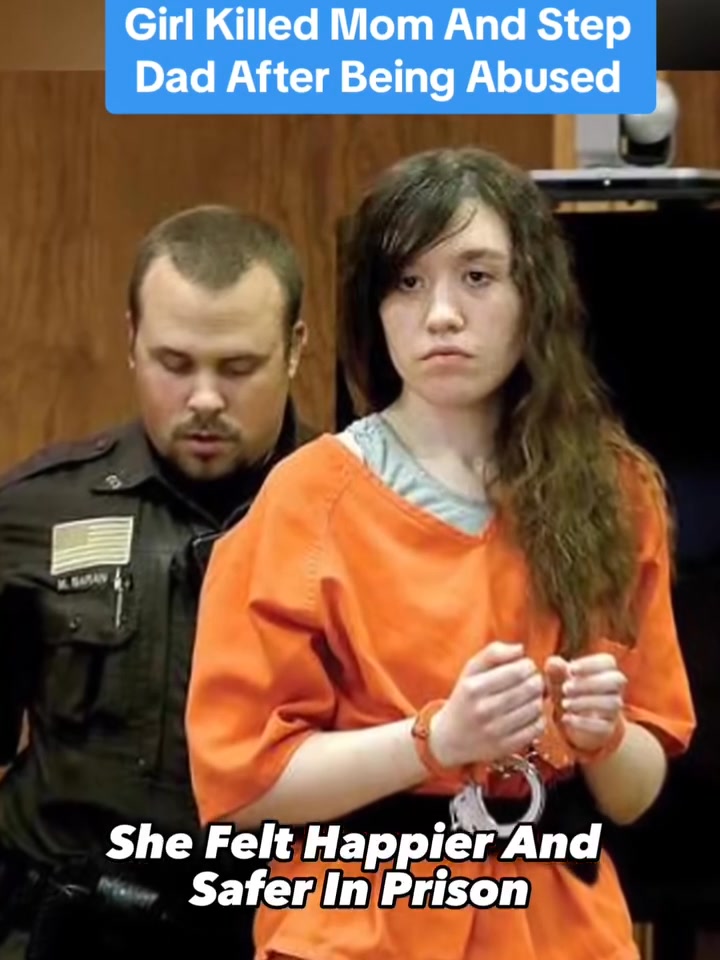
The story of Ashlee Martinson is one that continues to spark conversation, not only because of the shocking events that unfolded, but because of the deeper questions it raises about family, silence, and the long-term effects of hidden pain. What appeared on the surface to be a normal household was, according to later accounts, far more complicated than anyone had realized.
For years, neighbors described the family as quiet and private. There were no obvious signs that anything was seriously wrong, at least not to those outside the home. Like many situations that later draw national attention, the truth was not visible from a distance, and the reality inside the house remained largely unknown to the community.
As details gradually emerged, a different picture began to form. Reports suggested that Ashlee had been dealing with emotional struggles for a long time. Some accounts pointed to ongoing tension within the household, with conflicts that were not fully understood by those around them. It was a situation where what was happening behind closed doors rarely made its way into public view.
@drilliam.shakespeare Ashlee Martinson Killed Her Mom And Step Dad After Years Of Abuse #murder #prison #creatorsearchinsights
♬ Spooky, quiet, scary atmosphere piano songs – Skittlegirl Sound
Friends and acquaintances later described Ashlee as someone who often kept to herself. She was not known for openly sharing personal struggles, which made it difficult for others to fully grasp what she might have been experiencing. This sense of isolation can sometimes deepen emotional distress, especially when there are no clear outlets for expression or support.
The turning point came during a single night that would change everything. What had been building quietly over time suddenly surfaced in a way that could no longer be ignored. Authorities were called, and what they encountered quickly drew widespread attention. The case soon moved beyond a local matter and became a topic of national discussion.
As investigators worked to understand what had happened, they began piecing together a timeline of events. Their findings suggested that this was not a random or impulsive situation, but rather the result of a long period of emotional strain. While many questions remained, one thing became clear: this was a deeply complex case shaped by years of unresolved issues.
Public reaction was immediate and divided. Some people focused on the shocking nature of the outcome, while others tried to understand the circumstances that may have led to it. Conversations began to shift from simply asking “what happened” to also asking “why did it happen” and “could anything have been done differently.”
Legal proceedings brought even more details into the open. During this phase, both sides presented their perspectives, offering different interpretations of the same events. The courtroom became a place where personal history, emotional experiences, and factual evidence all intersected, creating a narrative that was difficult to simplify.
One of the most discussed aspects of the case was the role of long-term emotional hardship. Experts weighed in on how sustained stress and unresolved conflict can impact a person’s mental state, especially during adolescence. While no explanation could undo what had happened, these insights helped provide a broader context for understanding the situation.
The case also highlighted the importance of early intervention and support systems. Many people began asking whether there had been missed warning signs or opportunities for help. It served as a reminder that struggles within a family are not always visible, and that silence can sometimes hide serious challenges.
Media coverage played a significant role in shaping public perception. Headlines often focused on the most dramatic elements, drawing attention to the case but not always capturing its full complexity. This led to ongoing discussions about how sensitive situations are reported and the impact that coverage can have on those involved.
As time went on, the story continued to resonate because it touched on universal themes. Family relationships, communication, and emotional well-being are issues that many people can relate to in some way. Even though the circumstances were extreme, the underlying questions felt familiar to a broader audience.
There was also a growing emphasis on understanding rather than simply judging. While opinions remained divided, some voices called for a more nuanced conversation—one that acknowledged both the seriousness of the events and the factors that may have contributed to them. This shift in perspective reflected a deeper interest in learning from the case rather than only reacting to it.
In the years since, the story of Ashlee Martinson has been referenced in discussions about mental health, family dynamics, and the importance of open communication. It has become an example of how unresolved issues can escalate when they are left unaddressed for too long. For many, it serves as a cautionary tale about the cost of silence.
At the same time, it is important to recognize that every situation is unique. While patterns and lessons can be drawn, no two cases are exactly the same. This understanding encourages a more thoughtful approach when discussing complex personal and legal matters.
Looking back, one of the most striking aspects of the case is how little was known before everything came to light. It challenges the assumption that serious problems are always obvious or easy to detect. In reality, many struggles remain hidden until a critical moment forces them into the open.
The story also raises questions about responsibility and accountability. These are not simple issues, and they often involve balancing multiple perspectives. In this case, the legal system played a key role in examining the facts and determining the outcome, while the public continued to reflect on the broader implications.
For those who followed the case closely, it left a lasting impression. It was not just about a single event, but about the chain of experiences that led up to it. Understanding that chain is essential for anyone hoping to prevent similar situations in the future.
Ultimately, the story is a reminder of how important it is to create spaces where people feel safe speaking about their struggles. Whether through family, friends, or professional support, having an outlet can make a significant difference. It is a lesson that extends far beyond one case and applies to communities everywhere.
As conversations continue, the hope is that awareness will lead to action. By recognizing the signs of emotional distress and responding with empathy and support, it may be possible to address problems before they reach a breaking point. That is perhaps the most meaningful takeaway from a story that continues to prompt reflection.
In the end, what happened cannot be undone, but it can be understood. And through that understanding, there is an opportunity to learn, to grow, and to approach similar situations with greater awareness and compassion.